


WordWhizzle Pop
4.63.92K Reviews
App Specs
- Version
- 1.4.8
- Updated On
- License
- Free
- Downloads
- 100,000+
- Developer
- Apprope AB
- Categories
- Word
- Platform
- Android
Screenshots
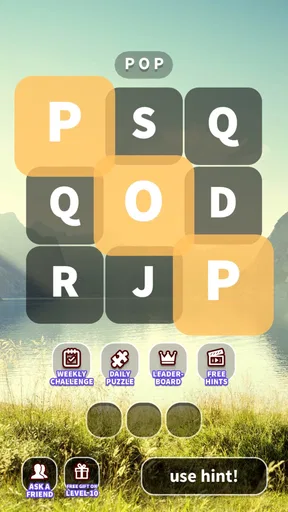
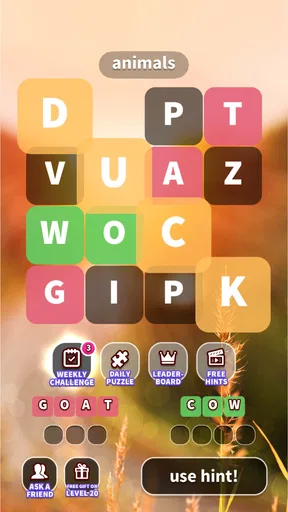
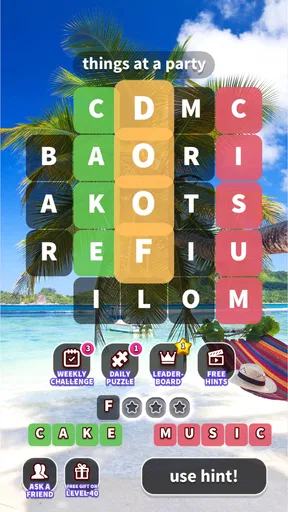
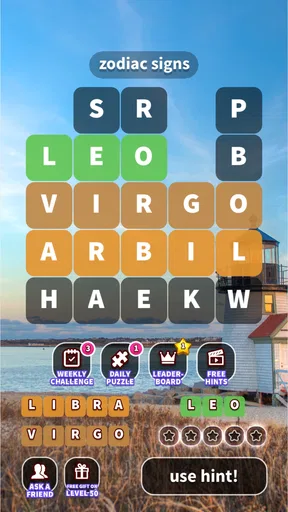
 Analysis by AppCompare
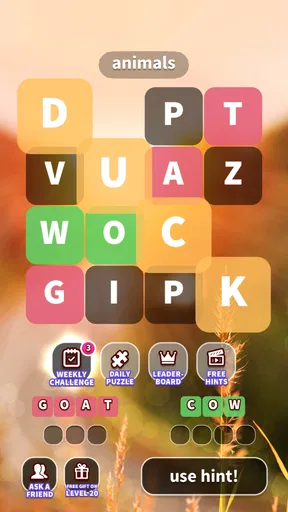
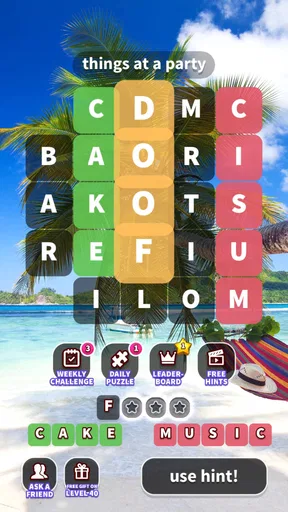
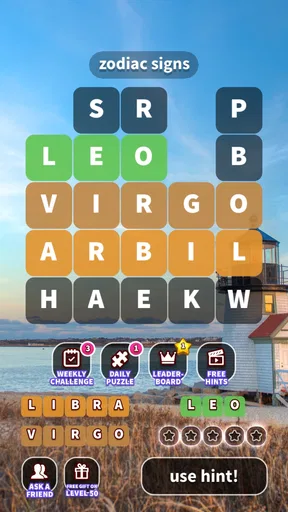
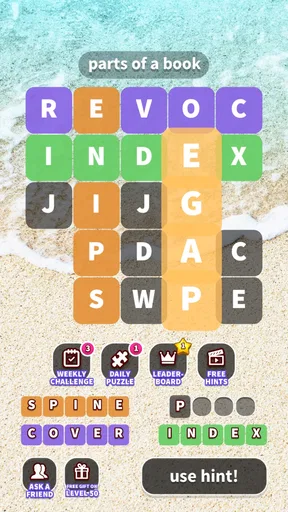
I found WordWhizzle Pop easiest to appreciate in a shared-device situation. It is the sort of word puzzle I can open for a few minutes while waiting for dinner, then hand to someone else without needing a long explanation. The game comes from Apprope AB and focuses on compact word-search challenges rather than a large story, complicated controls, or a demanding multiplayer setup. That makes it approachable, but it also means its appeal depends heavily on whether you enjoy repeated vocabulary puzzles.
My first impression was that it aims for quick mental engagement. You look for words, make decisions under a little pressure, and move on to the next challenge. It is not trying to replace a full crossword book or a deep strategy game. Instead, it works as a light word game for short sessions, especially when I want something more active than scrolling but less involved than learning a new game system.
The game is free to download, with optional in-app purchases ranging from $0.99 to $49.99 per item. It is rated for Everyone, runs on Android versions from 4.4 onward, and the current version is 1.4.8. Those details make it accessible to a broad range of devices and players, although the purchase range is worth remembering when the game is used on a phone or tablet shared by several people.
How WordWhizzle Pop Works in Everyday Use
I find that WordWhizzle Pop works best when I treat it as a quick, self-contained turn rather than a session that needs planning. In this section, I’ll focus on small habits that make shared play smoother and help a short puzzle fit naturally into a busy day. The next section looks at how its word-search format compares with other ways to spend a few minutes on a word game.
A good fit for passing a device around
WordWhizzle Pop has a natural place in a household where people occasionally share a phone or tablet. I can imagine one person solving a puzzle during a short break, leaving the device on the table, and another person picking it up later. Because the central activity is word finding, the next player can usually understand the objective quickly. That is useful when the players are not all interested in the same games or do not want to sit through a tutorial.
The shared-device experience is best when everyone treats the game as a personal turn rather than a formal competition. One player may prefer to search carefully, while another taps quickly and accepts mistakes as part of the fun. That difference can create a friendly rhythm, but it can also become irritating if someone expects the other person to preserve a particular solving style. I would agree on a simple household rule before sharing it: either each person plays only when the device is free, or players announce when they are starting a fresh puzzle.
This is one of the less obvious strengths of a compact word game. It does not require a group to learn a common strategy before enjoying it. A parent, teenager, or visiting relative can take a turn at their own level. The trade-off is that the game does not automatically turn a shared device into a coordinated family activity. The conversation and turn-taking have to come from the people using it.
Worth Reading Before You Choose

Flipboard Shows What News Apps Must Do Beyond the Feed

Switching to Android Auto Means Rethinking Your Driving Routine

Google Calendar Makes a Crowded Week Easier to Manage

Ludo King Makes the Most of the Minutes Between Plans

Baby Panda World Brings Quick Play to Modern Phones, but Its Game Library Feels Busy

ESPN’s Live Game View Makes Following Close Games Easier
What I would check before handing it over
Since the game is free to start but includes optional purchases, I would not hand a shared device to a child without first checking how purchases are handled on that device. The game’s Everyone age rating makes it broadly suitable in age terms, but an age rating is not the same thing as a household spending rule. A younger player may understand the puzzles perfectly well and still not understand that tapping a purchase option can have a financial consequence.
I would also make sure the person using the game knows whose progress they are affecting. A shared phone can blur the boundary between “my puzzle” and “someone else’s puzzle,” particularly if several people use the same app installation. If the device is normally personal, that is less of a problem. If it belongs to the household, I would treat progress as belonging to the device unless the game clearly provides a separate way to distinguish players. I would not assume that a family profile or independent account system exists without checking inside the app.
That small amount of preparation prevents a surprisingly common source of friction: one person opens a game for a quick turn, another changes the current state, and nobody remembers who was working on what. Word puzzles are personal in a way that is easy to underestimate. A nearly solved grid can feel like someone’s unfinished thought, so even a casual shared-device arrangement benefits from clear boundaries.
Coordination matters more than controls
For household use, I would coordinate around time and device access rather than expecting the game to manage everyone automatically. A simple approach is to finish a puzzle before passing the phone on. Another is to take a screenshot of a difficult board before switching activities, if the device and household habits make that practical. I see this as a useful workaround for shared play, not as a built-in feature I would promise to every player.
There is also a difference between sharing the device and sharing the experience. Two people can sit together and compare possible words, which makes the game more social. Alternatively, one person can solve alone while others wait. The first option is more enjoyable for families who like talking through clues; the second is better for someone who finds suggestions distracting. I would avoid shouting answers across the room unless everyone agrees, because word-search games lose much of their satisfaction when the solution is simply supplied.
For a household with several players, I would use the game as a flexible conversation starter rather than as a serious scorekeeping system. The person who spots words quickly is not automatically the strongest player; patience, vocabulary, and familiarity with the puzzle style all matter. Keeping that distinction in mind makes the game friendlier for mixed ages and abilities.
Age suitability and trust
The Everyone rating is consistent with the game’s basic concept: it is a word-focused title without an intimidating premise. I would still judge suitability by the individual child, especially if the child is reading independently or becomes frustrated by puzzles that do not yield quickly. The rating gives a useful starting point, but it does not tell me whether a particular child will enjoy the pace or vocabulary.
For younger players, I would play alongside them at first. That lets me see whether they understand the word-search task, whether they tap randomly when stuck, and whether they are comfortable moving on from a difficult challenge. It also gives me a chance to explain that not finding a word immediately is normal. The game can support casual vocabulary practice, but I would not present it as a structured educational tool. Its main purpose is entertainment through word puzzles.
Trust is especially important because the game is available on a device that may contain other personal information. I would not let a child borrow someone else’s unlocked phone solely because the game is age-appropriate. The app’s rating addresses the content of the game, not the wider privacy or spending habits of the device owner. In a family setting, those are separate decisions.
Where it sits among word-game alternatives
Compared with a traditional crossword app, WordWhizzle Pop feels more immediate. Crosswords usually ask me to interpret clues and build answers across intersecting entries. Here, the satisfaction comes from spotting and selecting words in a more direct search process. I prefer this game when I want a low-commitment challenge and do not feel like wrestling with a clue whose answer depends on specialized knowledge.
Compared with a daily word game, it offers a different kind of flexibility. A daily format can create a shared routine and a clear stopping point, while this style of puzzle is better suited to irregular use. I can play when I have a spare moment instead of waiting for one particular daily challenge. The downside is that it may feel less meaningful to players who enjoy discussing one common puzzle with friends.
Compared with a large vocabulary game built around competition, WordWhizzle Pop is easier to introduce to a mixed household. I do not need to explain a ranking system or persuade everyone to maintain the same schedule. However, players looking for deep competitive progression, a rich social layer, or a detailed learning program may find a more specialized alternative more rewarding.
Three practical habits that improve the experience
My first useful habit is to change the way I search when I stall. Instead of repeatedly scanning the same part of the puzzle, I look for short familiar word patterns, then examine nearby letters for possible extensions. This prevents the “I have already checked that” feeling and makes the solving process more deliberate. It is a small technique, but it matters when a player is sharing the device and does not want to occupy it indefinitely.
My second habit is to separate solving from performance. When I play beside someone faster, I avoid treating their speed as the target. I focus on finding a few certain words before looking for less obvious ones. That approach works particularly well with children or occasional players because it keeps the activity cooperative instead of turning a casual puzzle into a test.
My third habit is to decide in advance how purchases will be treated. Since the game is free and offers optional items, I would keep spending disabled or restricted through the device’s normal household settings unless the owner intentionally chooses otherwise. This is not a gameplay trick, but it is an important part of using any free-to-start game on shared hardware. It also keeps the conversation clear: playing is available to everyone, while spending remains the device owner’s decision.
Limitations I noticed in the household context
The biggest limitation is that a simple word game can become repetitive for players who need constant novelty. If you prefer story progression, character development, or a strong sense of long-term achievement, this will probably feel lightweight. I enjoyed its accessibility, but I would not choose it as the only game on a shared tablet for a household with very different tastes.
Another limitation is the ambiguity that can come with shared progress. Without a clearly separated arrangement for each person, players should not assume that everyone has an independent record. I would consider this before making the game a family project. It is perfectly workable for occasional turns, but less ideal if several people want carefully protected personal progress on one installation.
The purchase structure is another point to handle thoughtfully. A free entry point is convenient, yet optional items can change how a family thinks about the game. Some players are comfortable ignoring purchases completely; others find repeated prompts or tempting extras distracting. I would try the free experience first and decide whether it feels complete enough for the intended player before spending anything.
Finally, the game is not the best choice for someone who wants a quiet, book-like crossword experience. The word-search format is more tactile and immediate, which is precisely why I find it approachable. But if your ideal puzzle involves carefully interpreting clues, writing possible answers, and returning to a grid over a long session, a conventional crossword app will likely suit you better.
Who should install it
I would recommend WordWhizzle Pop to someone who wants a free word game for short sessions, especially if that person likes searching for familiar words rather than solving elaborate clues. It is also a sensible option for a household that occasionally passes one device around and wants an activity people can understand without much instruction. The broad Everyone rating and modest device requirement make it easy to consider for older phones and mixed-age use.
I would be more cautious about recommending it to a dedicated puzzle enthusiast who expects independent profiles, rich competition, or a carefully structured learning path. I would also skip it for a player who dislikes repeating the same basic type of challenge. The game’s strength is its directness, and directness can feel limited when someone wants a more layered experience.
The reception suggests that many players find the format appealing: it holds an average rating of 4.6 from around 15 thousand ratings, with over 100 thousand installs. I treat that as useful context rather than a guarantee. A strong average can tell me that the core idea works for a substantial audience, but it cannot predict whether my own household prefers quick word searches to crosswords, anagrams, or daily challenges.
My household verdict
After using it as a casual word game, I see WordWhizzle Pop as a practical choice for shared, low-pressure play. It is easy to explain, quick to pick up, and flexible enough for a short break or a few turns around the table. The developer, Apprope AB, has kept the focus on the puzzle activity rather than surrounding it with a complicated premise, which helps the game fit into everyday routines.
I would install it on a shared device only with a clear understanding of who is allowed to play, how progress is treated, and how optional purchases are handled. Those boundaries matter more than they might in a single-user setup. The game itself can bring people together, but it does not remove the need for ordinary household coordination.
My final recommendation is positive, with a specific audience in mind. If you want an approachable word-search game that works in small pockets of free time and can be handed from one person to another, it is worth trying. If you need deep progression, formal family profiles, or the clue-solving depth of a classic crossword, choose something more specialized. Its best quality is the low barrier to joining in, while its main weakness is that the same simplicity may not hold your attention forever.
Pros
- Quick word puzzles are ideal for short breaks.
- Colorful visuals make the game feel lively and approachable.
- Increasing difficulty keeps experienced players engaged.
- Simple controls are easy for most ages to understand.
- Daily-style challenges can encourage a regular playing habit.
Cons
- Some puzzles may feel repetitive after extended play.
- Hints can make the game feel less satisfying to solve unaided.
- Ads may interrupt the experience between puzzle rounds.
- Later levels can become difficult without careful word knowledge.
- Offline availability may vary depending on the installed version.
FAQs for WordWhizzle Pop
What is WordWhizzle Pop and how does the game work?
WordWhizzle Pop is a casual word puzzle game built around finding words from a collection of letters. Each level gives you a specific challenge, and you must connect or select letters to form the correct answers. The game is easy to understand, but later puzzles can become surprisingly demanding, making it suitable for short sessions as well as players who enjoy gradually improving their vocabulary and solving skills.
Is WordWhizzle Pop free to download and play?
WordWhizzle Pop can generally be downloaded and played without an upfront purchase, allowing users to try the core puzzles before spending money. However, free versions of mobile games may include advertising, optional purchases, or limits on certain resources and features. Before downloading, it is worth checking the current store listing for the exact pricing model, available in-app purchases, and whether advertisements can be removed.
Does WordWhizzle Pop require an internet connection?
The basic puzzle experience may work without a continuous internet connection, which makes WordWhizzle Pop convenient for travel, commuting, or playing in areas with weak reception. Nevertheless, an internet connection can be required for advertisements, updates, cloud-related features, analytics, or purchases. Offline availability may also vary between versions, so users should test the game after installation rather than assuming every feature works without internet access.
Is WordWhizzle Pop suitable for children and families?
WordWhizzle Pop is generally appropriate for players who enjoy vocabulary games and simple puzzle mechanics, including many children and families. The difficulty of the word challenges may depend on age, reading ability, and familiarity with English vocabulary. Parents should still review the game’s store rating, advertising behavior, privacy information, and purchase settings, particularly if a child will play on a device connected to a payment method.
Are there hints, rewards, or in-app purchases in WordWhizzle Pop?
WordWhizzle Pop may provide assistance through hints, bonuses, coins, or other reward systems that help players progress when a puzzle becomes difficult. Depending on the version, these resources can be earned during gameplay, obtained by watching an advertisement, or purchased through optional in-app transactions. Players who prefer a completely uninterrupted experience should review the available settings and disable unauthorized purchases through their device’s parental controls.


